South Sudan
A young and landlocked country, South Sudan is bordered by Ethiopia to the east, Kenya, Uganda and the Democratic Republic of Congo to the south, the Central African Republic to the west, and Sudan to the north.
South Sudan possesses an abundance of water, which combines with its tropical climate, its sizable landmass, and its adjacency to the meeting of the Africa and Arabic tectonic plates to produce a variety of habitats. These include its vast and largely roadless savanna plains, the Sudd (the largest wetland in all of Africa), and the high-altitude forests found in its Afromontane region.
About South Sudan
South Sudan consists of 10 states, including Northern Bahr el Ghazal, Unity, Upper Nile, Warrap, Western Bahr el Ghazal, Western Equatoria, Central Equatoria, Eastern Equatoria, Jonglei, and Lakes, and has two special administrative areas – Ruweng, Pibor, and Abyei, respectively.
Situated north of the equator, it is largely a land of plains and plateaus and is dominated by grasslands, wetlands, and forest habitats. Roughly a third of the land is covered by trees, two-fifths by shrub, and its key waterway is the White Nile, into which most of the country’s rivers drain.
Where is South Sudan?
South Sudan sits right in the heart of Africa, to the east of the Central African Republic, and to the west of Ethiopia.
South Sudan is land-locked and shares a northern border with Sudan and sections of southern border with Uganda, the DRC and a small slice with Kenya.
What is it like in South Sudan?
South Sudan is situated between the Sahel and the Equator, in the Centre of Africa, which gives the country a tropical climate.
There are certain times of year with large amounts of rainfall and a drier spell too. During and after the rains travel can be very difficult, as many roads become impassable.
Its location means it has a diverse mix of terrain, with tropical forests, swamps and fertile land, along with vast stretches of mountains, particularly in the south, with some towering more than 3,100m.
The White Nile runs all the way through South Sudan, entering from Uganda in the south, running through the South Sudanese capital, Juba, and exiting to the north and into Sudan. North of Juba the Nile becomes a giant wetland called the Sudd. The Sudd was so thick and impenetrable that the ancient Egyptians and Romans were never able to travel beyond it.
The country boasts a number of protected national parks, including the Bandingilo National Park, which sees one of the largest annual migrations of wildlife on earth.
The country also has a fascinating tapestry of tribes, numbering at least 60 – with many retaining unique traditions and cultural practices.
Best time to visit South Sudan.
The best time to consider visiting South Sudan is during the dry months of the year; December, January, February. These are the months of the year when temperatures in Juba city and other areas fall between 20 and 37 degrees Celsius.
The rainy season or months occur in April and October – being the rainy months, the landscape changes with floor turning muddy or slippery. During the dry season, it can be windy but perfect season to navigate around South Sudan.
Places to Visit in South Sudan
Our Top South Sudan Safaris

This Tour takes you on an immersive journey into the heart of South Sudan, where you’ll explore the Mundari community, known for its striking white-horned cattle and rich cultural heritage.

This tour provides an exciting chance to explore one of the country's most accessible and wildlife-rich national parks. Nimule National Park, located along the border with Uganda,
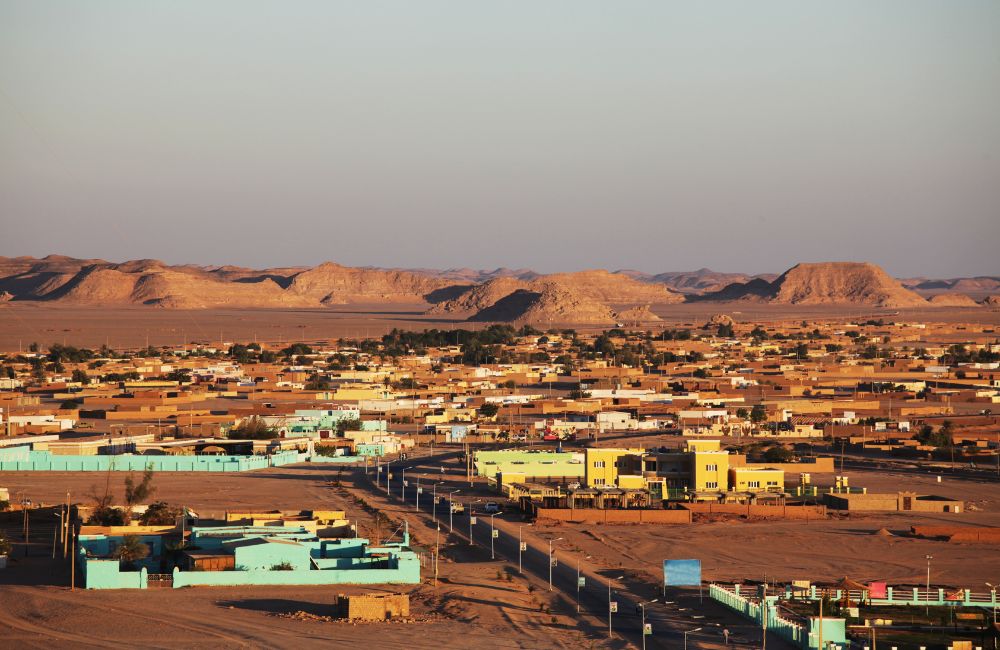
Explore South Sudan’s rugged beauty and cultural diversity, visiting vibrant tribal communities and untouched natural reserves.